
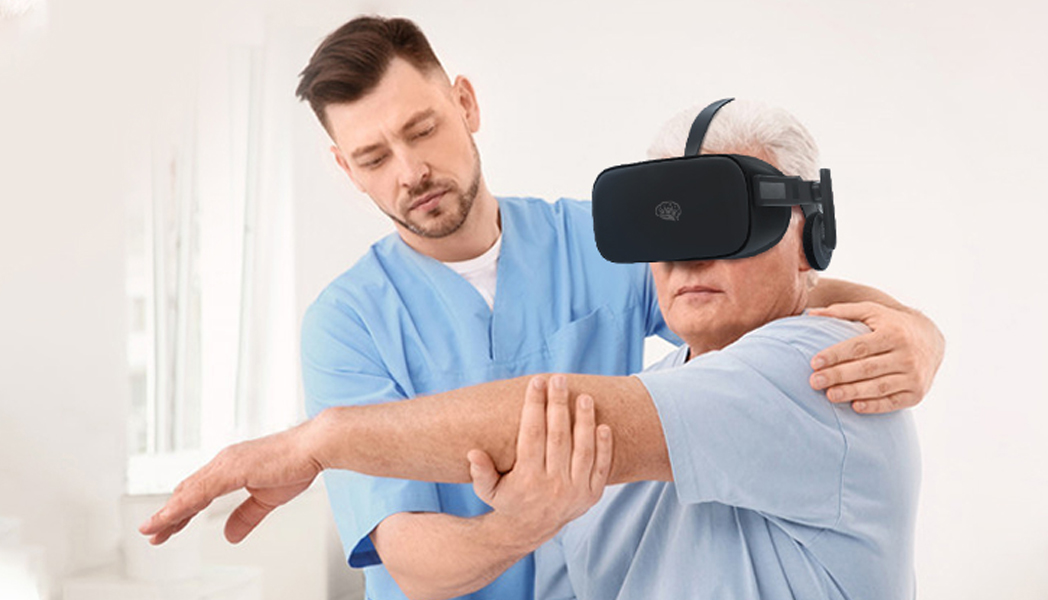
Virtual Rehabilitation
Virtual Rehabilitation is an innovative healthcare approach that uses advanced digital technologies such as virtual reality (VR), augmented reality (AR), and interactive computer-based programs to deliver therapeutic interventions. It is designed to support patients recovering from physical, neurological, or psychological conditions by creating immersive, engaging, and controlled environments that simulate real-life activities.
This method of rehabilitation is particularly beneficial for individuals recovering from stroke, traumatic brain injuries, spinal cord injuries, musculoskeletal disorders, or balance and coordination problems. It is also increasingly being used in the management of chronic pain, mental health conditions such as anxiety and post-traumatic stress disorder, and for cognitive training in neurodegenerative diseases like Parkinson’s or Alzheimer’s.
Virtual Rehabilitation offers several advantages over traditional therapy. The interactive and gamified exercises increase patient motivation and adherence to treatment plans, while real-time feedback helps monitor progress and adjust therapy accordingly. Additionally, it provides safe environments where patients can practice movements or skills without the risk of injury. For those with mobility limitations or living in remote areas, virtual rehabilitation can be delivered at home through specialized software and devices, making therapy more accessible and cost-effective.
The personalized nature of virtual rehabilitation allows therapists to customize programs based on individual needs, track performance data, and gradually increase complexity as patients improve. Moreover, it promotes patient independence by encouraging active participation in their recovery journey.
In the future, virtual rehabilitation is expected to play an even greater role in healthcare, combining artificial intelligence, wearable devices, and telemedicine platforms for more precise and holistic care. By blending technology with therapy, it is revolutionizing rehabilitation practices and improving quality of life for patients across various conditions.