
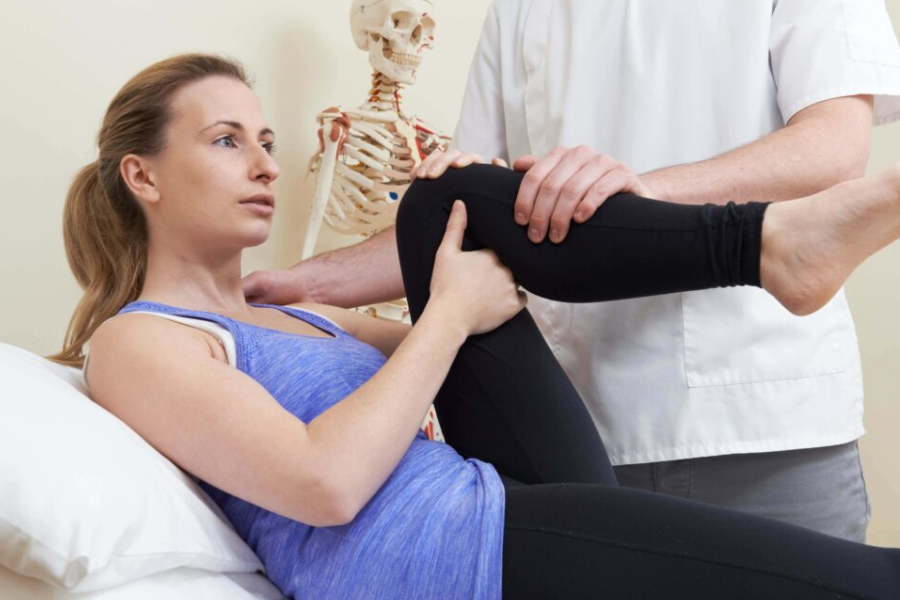
Hip & Knee Pain
Hip and knee pain are among the most common musculoskeletal complaints that affect people of all ages. These joints bear the body’s weight and are essential for movement, making them particularly vulnerable to injury, wear and tear, and underlying medical conditions. Pain in these areas can range from mild discomfort to severe limitations in daily activities such as walking, climbing stairs, or sitting.
Symptoms:
The symptoms of hip and knee pain vary depending on the underlying cause. Common signs include stiffness, swelling, and reduced range of motion. Patients may experience sharp pain during movement, dull aching at rest, or clicking and grinding sensations in the joints. In the hip, pain may radiate to the groin, thigh, or buttock, while knee pain can spread to the leg or be localized around the kneecap. In severe cases, the joints may feel unstable or lock during activity.
Causes:
Hip and knee pain can be caused by several conditions. Common causes include arthritis, particularly osteoarthritis, where joint cartilage wears down over time. Injuries such as fractures, ligament tears, or meniscus damage in the knee are also frequent contributors. Overuse from sports, repetitive movements, or excessive body weight can strain the joints, leading to pain and inflammation. Other causes include bursitis, tendonitis, infections, and in some cases, referred pain from the spine or other body regions.
Treatment:
Treatment depends on the cause and severity of symptoms. Conservative approaches often include rest, physical therapy, weight management, and the use of non-steroidal anti-inflammatory drugs (NSAIDs) to reduce pain and swelling. Strengthening and stretching exercises improve joint flexibility and stability. Injections such as corticosteroids or hyaluronic acid may provide relief in cases of persistent arthritis. When conservative methods fail, surgical options like arthroscopy, joint repair, or joint replacement (hip or knee replacement) may be considered. Additionally, lifestyle changes such as maintaining a healthy weight, using supportive footwear, and avoiding high-impact activities can significantly reduce strain on the joints and improve long-term outcomes.
By addressing hip and knee pain early with appropriate care, patients can restore mobility, reduce discomfort, and maintain a better quality of life.