
Electrotherapy SWD
Short Wave Diathermy (SWD) is a widely used electrotherapy modality that employs high-frequency electromagnetic waves to generate deep heat within body tissues. The frequency commonly used is 27.12 MHz, which penetrates into muscles, joints, and soft tissues, producing therapeutic warmth without directly stimulating sensory or motor nerves. This controlled heating effect improves circulation, enhances tissue extensibility, reduces stiffness, and promotes faster healing.
Mechanism of Action:
SWD works by converting electromagnetic energy into heat energy within the body tissues. Depending on the mode of application – continuous or pulsed – it can provide thermal or non-thermal effects. Continuous SWD mainly produces deep heating, while pulsed SWD is often used for reducing inflammation and pain without significant rise in tissue temperature.
Indications:
SWD is commonly recommended in conditions like osteoarthritis, rheumatoid arthritis, back pain, sprains, muscle spasms, joint stiffness, fibrositis, and chronic inflammatory conditions. It is also useful in accelerating healing of soft tissue injuries and reducing post-traumatic pain and swelling.
Contraindications:
The treatment should be avoided in patients with metal implants, pacemakers, pregnancy, malignancy, acute infections, and open wounds, as it may aggravate the condition or interfere with medical devices.
Treatment Procedure:
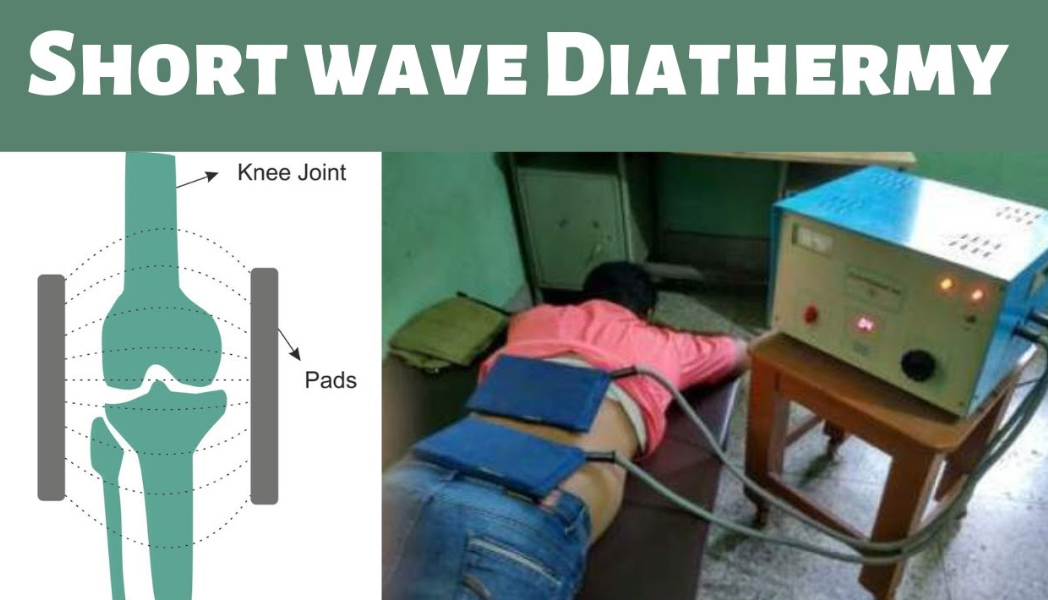
The patient is made to lie comfortably, and electrodes or drum applicators are positioned around the affected area. Treatment sessions generally last 10–20 minutes, depending on the severity of the condition and the patient’s tolerance. The patient typically experiences a pleasant sensation of warmth in the treated area.
Benefits:
SWD enhances blood supply, relieves muscle spasm, reduces joint stiffness, promotes relaxation, and speeds up tissue repair. It is a safe, effective, and non-invasive therapy when used under proper guidance, making it an important component of physiotherapy rehabilitation.